I experienced a lack of technical documentation most of the time in Asia. This practice took me by surprise as my professors trained me to keep an engineering log and always do documentation. Actually, in the university, we have to keep our lab documentation for all the labs until we graduate. Since then, I have used one simple trick to keep technical team documentation current: I ask the recruits to update the documentation. This process actually helps the recruits familiarize themselves with the team’s technical standards ASAP.
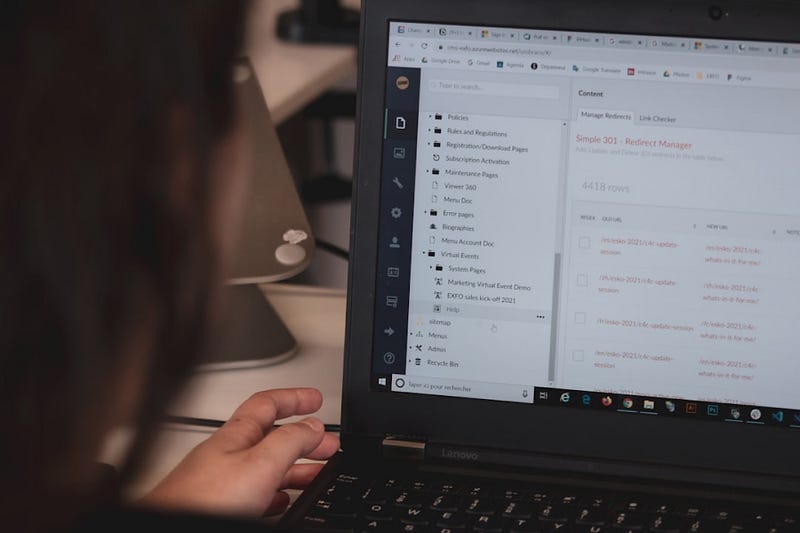
In the fast-paced world of technology, where innovation and rapid development are constants, maintaining clarity and coherence in processes and knowledge sharing is paramount. One of the most effective ways to ensure this is through robust technical documentation. Building and maintaining a culture of technical documentation can significantly enhance an organization’s efficiency, knowledge retention, and overall productivity.
The Foundation of Technical Documentation
Technical documentation encompasses a variety of materials that describe the use, functionality, creation, and maintenance of software, systems, and other technical products. This includes user manuals, system documentation, API documentation, technical specifications, and troubleshooting guides. When effectively managed, this documentation serves as a valuable resource for developers, engineers, managers, and end-users.
Benefits of a Strong Documentation Culture
1. Knowledge Retention and Transfer
In any organization, employee turnover is inevitable. Without proper documentation, valuable knowledge and insights can be lost when employees leave. Comprehensive documentation ensures that critical information about systems and processes is preserved and can be easily transferred to new team members. This reduces onboarding time and mitigates the risk of knowledge gaps.
2. Improved Collaboration and Communication
A culture that values documentation fosters better communication and collaboration across teams. When documentation is clear and accessible, team members can understand and contribute to projects more effectively. This transparency helps align goals, reduce misunderstandings, and ensure that everyone is on the same page.
3. Increased Efficiency and Productivity
With well-maintained documentation, team members can quickly find the information they need without having to rely on verbal instructions or searching through code. This saves time and allows for faster problem-solving. Moreover, documentation helps standardize processes, which can streamline workflows and improve overall efficiency.
4. Enhanced Product Quality
Technical documentation plays a crucial role in the development lifecycle by providing clear guidelines and references. It ensures that products are built according to specifications and helps identify and resolve issues early. Documentation also supports testing and quality assurance processes, leading to higher-quality products.
5. Compliance and Risk Management
Many industries are subject to regulatory requirements that mandate specific documentation standards. Maintaining thorough documentation helps organizations stay compliant with these regulations. Additionally, in the event of audits or legal inquiries, having detailed records can provide necessary evidence and mitigate risks.
Building a Documentation Culture
1. Leadership Commitment
For a documentation culture to take root, it must be championed by leadership. Managers and executives should emphasize the importance of documentation and allocate resources for its development and maintenance. By leading by example, they can set a standard for the rest of the organization.
2. Training and Resources
Employees should be provided with the necessary training and tools to create high-quality documentation. This includes understanding best practices, utilizing appropriate software, and recognizing the value of their contributions. Workshops, templates, and style guides can be instrumental in achieving consistency and excellence.
3. Integrating Documentation into Processes
Documentation should be an integral part of the development process rather than an afterthought. This means incorporating documentation tasks into project timelines and making them a part of the definition of done. Regularly updating documentation during development cycles ensures that it remains accurate and relevant.
4. Encouraging Contributions and Feedback
A documentation culture thrives on collective effort. Encouraging team members to contribute to documentation and providing a platform for feedback can lead to continuous improvement. Recognizing and rewarding contributions can also motivate employees to take documentation seriously.
Maintaining Documentation Culture
1. Regular Audits and Updates
Technical documentation must be kept up to date to remain useful. Regular audits should be conducted to identify outdated or missing information. Establishing a schedule for reviewing and updating documentation ensures that it evolves with the organization’s needs.
2. Utilizing Technology
Leveraging technology can streamline documentation efforts. Tools such as version control systems, documentation generators, and content management systems can facilitate easy creation, maintenance, and access to documentation. Automation can also reduce the burden of repetitive tasks.
3. Promoting a Feedback Loop
Maintaining a culture of continuous improvement involves soliciting feedback from documentation users. This feedback loop can highlight areas that need clarification or expansion, ensuring that documentation remains user-centric and effective.
Building and maintaining a technical documentation culture is essential for any organization aiming for sustained success in the technology sector. It not only preserves critical knowledge and improves collaboration but also enhances product quality and ensures compliance. By committing to a documentation culture, organizations can achieve greater efficiency, reduce risks, and foster an environment of continuous learning and improvement.⬤
 Booster Analytics
Leave a comment