This article is inspired by the ARC Training Center for Information Resilience, Australia where my supervisor is currently the director.
As a CTO and associate professor, I constantly advocate for better data practices and systems that can weather whatever challenges come our way. Unfortunately, many organizations across Asia aren’t paying attention to one of the most crucial aspects of a sustainable digital future: information resilience.
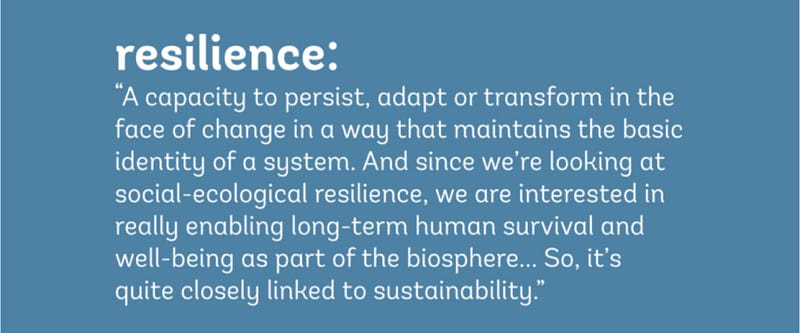
Information resilience goes beyond cybersecurity — it’s about building a robust, adaptable system that ensures data continuity, accessibility, and integrity, even when things go wrong. Picture this: if a company is hit by a natural disaster, a cyberattack, or even a technical glitch, information resilience allows operations to continue seamlessly. It’s an investment in both preparedness and continuity, ensuring that when disruptions happen, they’re manageable rather than catastrophic.
In my role, I’ve seen firsthand how quickly digital systems can crumble without the right resilience framework. Yet, across Asia, many companies continue to overlook these essential protections, creating a vulnerability that could easily become a crisis.
Why Is Asia Lagging on Information Resilience?
1. A Reluctance to Invest in Resilience
Information resilience doesn’t come cheaply. Many Asian organizations hesitate to make investments in redundancy systems, backup protocols, and real-time data recovery capabilities. Especially for smaller companies, it’s easier to focus on immediate growth or profitability, assuming resilience measures are a luxury. But this is short-sighted: resilience doesn’t directly impact revenue until a disaster strikes. At that point, the cost of inaction can be staggering.
2. A “Not Here, Not Us” Mentality
There’s a mindset in parts of Asia that disaster and large-scale cyber incidents are someone else’s problem. Many leaders seem to assume that the data breaches, power outages, and natural disasters we hear about in Western markets won’t impact them. But the reality is that Asia is not immune to disruptions — whether they’re typhoons, political unrest, or cyber threats. Without resilience measures, businesses leave themselves exposed to unpredictable disruptions that are bound to occur eventually.
3. Limited Regulatory Pressure
In places like Europe and North America, regulatory bodies are pushing companies to establish continuity and resilience protocols, particularly in critical sectors like finance and healthcare. While some Asian countries, like Singapore and Japan, are starting to make resilience a priority, the regulatory landscape is uneven across the region. Many countries lack the same pressure or resources to enforce such measures. Without a regulatory push, many companies don’t see the urgency.
4. A Tendency Toward Reactive Thinking
In Asia, many organizations take a reactive approach: addressing issues as they arise rather than planning. This attitude extends to information resilience, where companies tend to invest in protection after a breach or failure rather than building preventive measures from the start. In my own experience, this approach often leads to higher costs and greater disruption when issues do occur. It’s a cycle that could easily be broken with a shift toward proactive planning.
5. Misplaced Trust in Cloud Providers
Many organizations assume that because they’re working with major cloud providers — like AWS, Google Cloud, or Azure — their data is fully resilient. However, cloud providers only offer tools; they don’t provide complete resilience. Ultimately, companies still need to establish their data recovery protocols and continuity strategies. Cloud services can support resilience, but they’re not a replacement for a company-owned plan.
The Cost of Ignoring Information Resilience
Ignoring information resilience can have severe consequences. Without a robust framework in place, a single cyberattack or natural disaster could result in devastating data loss, disrupted business operations, and long-term damage to reputation. We’ve all seen cases where a data breach or prolonged outage cripples companies — events that can be prevented or minimized with a solid resilience strategy.
In my work, I’ve emphasized the need for a structured resilience plan that encompasses data recovery, business continuity, and disaster preparedness. Without this, organizations are leaving themselves open to significant financial and operational risks that could easily be mitigated.
A Call to Action: Building Information Resilience in Asia
If we’re going to address this resilience gap in Asia, it will take a mindset shift and proactive steps. Here’s how I believe organizations can start:
1. Create a Clear Framework for Resilience: This means establishing protocols for data recovery, ensuring business continuity, and preparing for potential disruptions. Resilience must be part of the business strategy, not an afterthought.
2. Invest in Training and Awareness: Employees are on the front lines of resilience. Training them on resilience practices, such as data backup and recovery procedures, is crucial to maintaining data integrity and operational continuity.
3. Implement Redundancy Systems: Companies need redundant systems for their critical data, whether through on-premises solutions or hybrid cloud models. In my experience, investing in these protections upfront is far cheaper than dealing with the fallout of a major data loss.
4. Adopt a Proactive Culture: Encourage leaders to anticipate vulnerabilities and address them before they become issues. A proactive approach not only saves time and resources but can also be the difference between business as usual and total disruption during a crisis.
5. Advocate for Regional Regulations: Stronger regulations can drive companies to adopt resilience practices. As professionals, we can advocate for these regulations, pushing our industries and governments to prioritize resilience.
In an increasingly digital world, information resilience is no longer optional. The risk of ignoring it far outweighs the costs of building a resilient infrastructure. For organizations across Asia, it’s time to see resilience as the critical priority rather than waiting for a disaster to make it painfully clear. By investing in resilience now, we can safeguard our organizations and prepare for a more secure and stable future.
 Booster Analytics
Leave a comment