As a CTO, I’ve found that the philosophy of Stoicism is more than a collection of ancient musings — it’s a tactical playbook for navigating the relentless challenges of modern business. In my journey, which has taken me across four continents, spanned academia and industry, and placed me at the helm of cutting-edge initiatives in data analytics and transformation, Stoicism has been my north star. Let me share how this timeless philosophy informs my leadership.
Control What You Can, Accept What You Cannot
One of Stoicism’s central tenets is the dichotomy of control: focus on what you can influence and let go of what you cannot. As CTO, there’s a lot outside my control — market shifts, global supply chain disruptions, or even a rogue executive decision that derails a tech roadmap. What I can control, however, is my response.
Instead of agonizing over external resistance, I leaned on Stoic pragmatism. I broke the problem into manageable components, focusing only on what my team and I could directly influence. The result? Incremental wins that, over time, led to a transformative outcome.
Amor Fati: Love Your Fate, Even the Hard Parts
Stoicism teaches us to embrace challenges, seeing them as opportunities for growth. As someone who has worked in vastly different cultural and organizational contexts — from academic collaborations in Thailand to industry partnerships in Australia — I’ve learned that setbacks often carry hidden lessons.
Instead of resisting reality, I asked, “What can this teach us?” The answer came in the form of a more robust enterprise knowledge graph model, which not only solved the immediate issue but also set a new standard for similar projects.
The Obstacle Is the Way
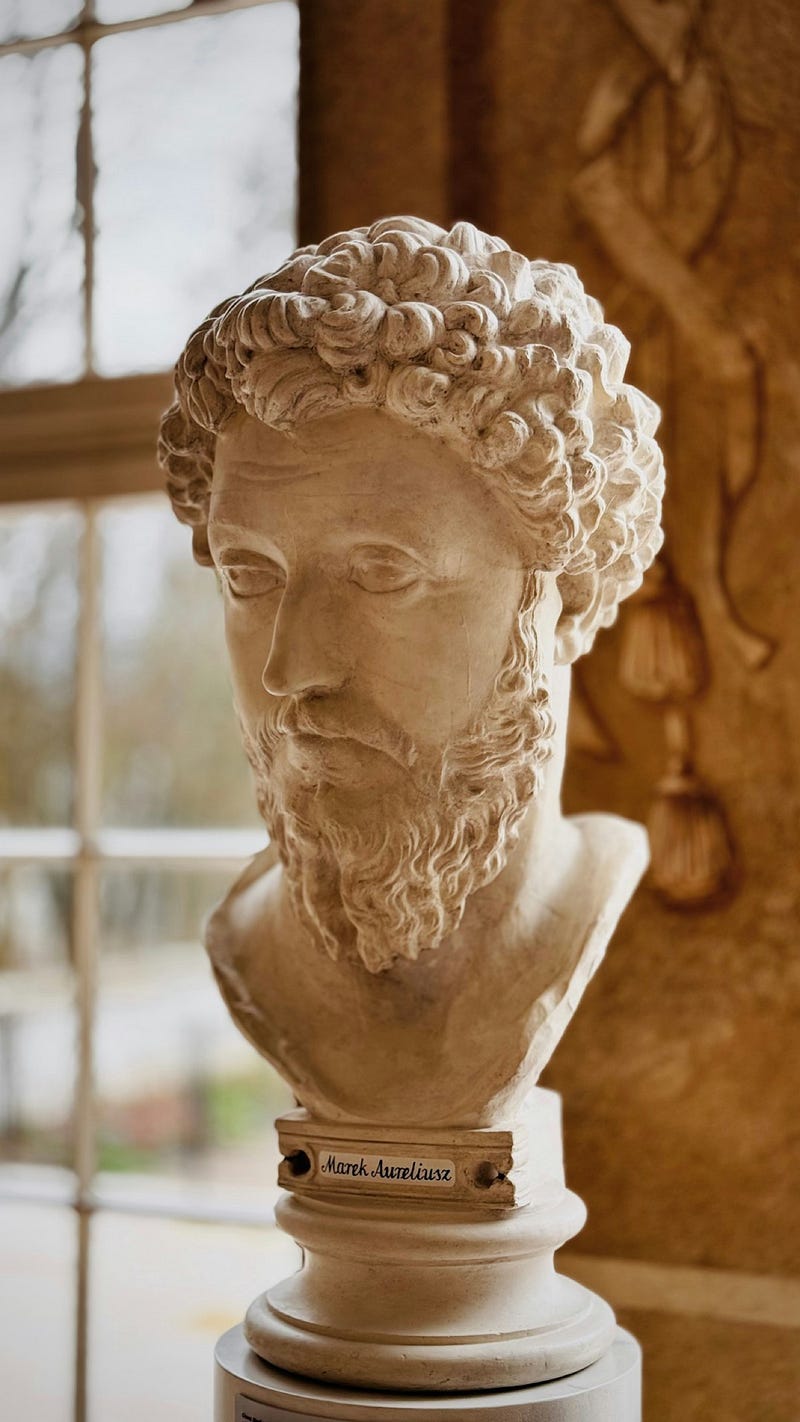
In my experience, the most challenging situations often contain the seeds of innovation. Stoics like Marcus Aurelius remind us that obstacles aren’t barriers — they’re pathways to progress. Instead of abandoning the effort, I reframed the setback as an opportunity to pivot. By guiding the team to focus on other direction systems, we uncovered insights that elevated the entire project.
Lead with Purpose, Not Ego
As a leader, it’s easy to let titles and accolades inflate your sense of self. But Stoicism insists on humility — reminding us that leadership is about serving others. Whether mentoring PhD students at NIDA University or driving analytics infrastructure strategies for global enterprises, my goal is always to empower the people around me.
This means fostering resilience in my teams and encouraging them to adopt a Stoic mindset. I often remind them to focus on the work, not the applause. Measure success by effort, not outcome.
Practical Tips for CTOs Embracing Stoicism
1. Daily Reflection: Spend a few minutes each day reflecting on challenges and framing them through the lens of Stoicism. Ask yourself, What is within my control?
2. Neutral Thinking: Practice seeing events as neutral until you’ve assessed their true impact.
3. Journaling: Capture lessons from the day — what went well, what didn’t, and how you can respond better next time.
4. Resilience Over Perfection: Encourage teams to see mistakes as part of the process, not as failures.
A Stoic Legacy
Stoicism isn’t about detachment or passivity. It’s about facing reality with courage and clarity, leading with purpose, and creating enduring value. As a CTO, embracing this philosophy has allowed me to navigate uncertainty with confidence, guide teams with compassion, and build systems that stand the test of time.
Whether you’re leading a data migration in a high-stakes environment or mentoring the next generation of innovators, Stoicism offers a roadmap. And in today’s chaotic business world, that’s a tool every leader can use.
 Booster Analytics
Leave a comment