For the last ten years, my students can vouch for me that I have made this statement to them so many times.
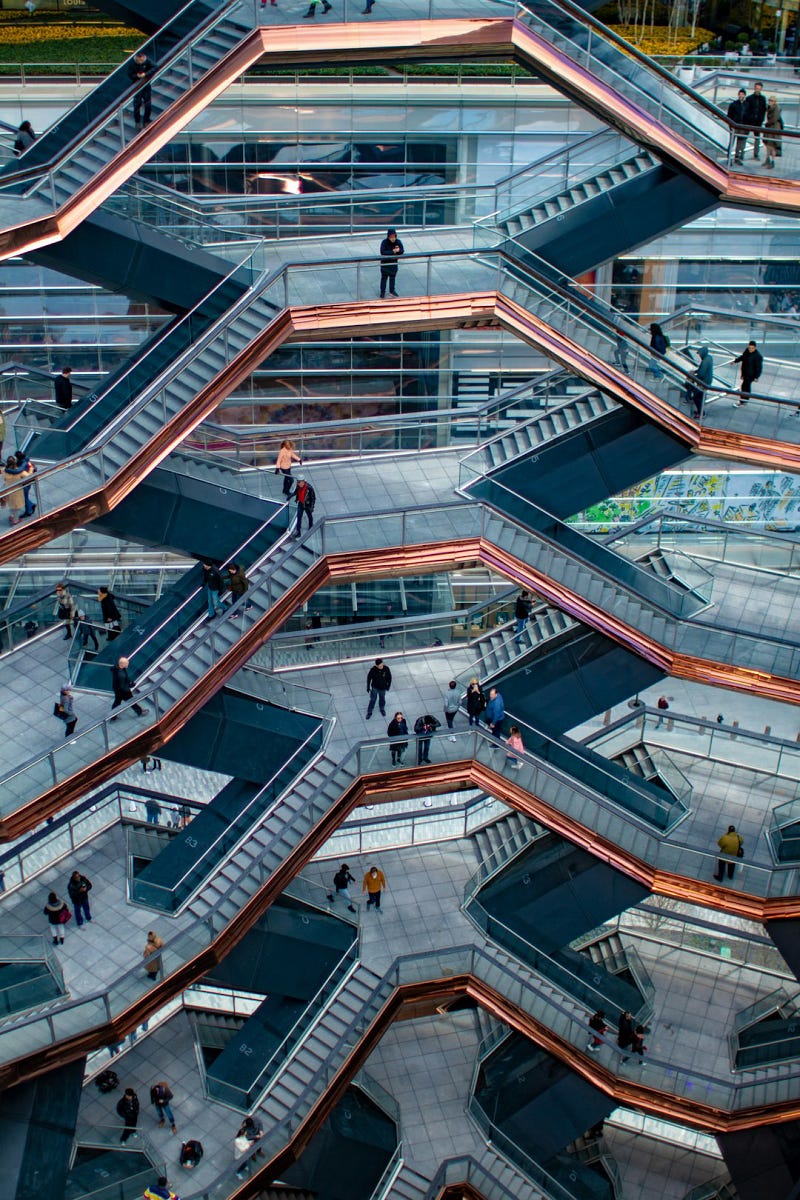
Higher education has long been marketed as the ultimate escalator to success — step on, hold tight and arrive at your destination. But the truth is, education is less of an escalator and more of a building: there are multiple ways to get to the second floor. Some take the stairs, some find an elevator, and some even build their ladders. Yet, many institutions still act as if there’s only one valid route — earn a degree, get a job, repeat. That model is not just outdated; it’s limiting.
Go to School for Knowledge, Not Just a Degree
Let’s be honest — too many students enroll in college to collect a diploma. Somewhere along the way, the pursuit of knowledge took a backseat to the obsession with credentials. But in an era where information is freely available, a degree without real skills and understanding is just an expensive piece of paper.
Higher education needs to shift from being a degree factory to becoming a true center of learning. That means encouraging students to ask the big questions, seek out real-world applications, and develop critical thinking skills instead of just memorizing content for an exam. If students graduate with a degree but can’t solve problems, analyze data, or adapt to change, then the system has failed them.
College Should Be a Sandbox, Not a Conveyor Belt
The traditional education model treats students like products on an assembly line — pass through the stages, get stamped with a degree, and off you go. But real education doesn’t work like that. College should be more like a sandbox: a place where students experiment, make mistakes and build things that might collapse before they succeed.
A sandbox mindset means giving students more room to explore interdisciplinary learning, engage in hands-on projects, and test their ideas in the real world. It means valuing experiential learning — internships, research projects, industry collaborations — just as much as classroom instruction. The most successful graduates aren’t those who followed a rigid academic path but those who took advantage of opportunities to explore, fail, and innovate.
Rethinking the Role of Higher Education
If we want to prepare students for the complexities of the modern world, we need to embrace multiple paths to success. That means:
1. Flexible Learning Pathways — Not everyone thrives in the same system. Universities should provide alternative paths, including stackable credentials, online learning, and competency-based education.
2. Knowledge Over Credentials — Shift the focus from simply earning degrees to acquiring real skills that are valuable in the job market.
3. An Experimental Culture — Encourage students to build, test, and iterate ideas rather than just pass exams. Learning should be a creative process, not a mechanical one.
Higher education should not be a one-size-fits-all journey. Some students will take the stairs, some will find an elevator, and some will construct an entirely new way up. Our job as educators is to ensure that, however, they get there, they arrive equipped with the knowledge, skills, and confidence to succeed beyond the classroom.
 Booster Analytics
Leave a comment